

INQUIRY NGAYON
 Search for...
PVC PIPE Manufacturers
Ang PVC Pipe ay isang uri ng tubo na malawakang ginagamit sa mga sistema ng patubig at paagusan. Ito ay pinapaboran para sa kanyang superior corrosion resistance, liwanag at lakas. Ang tubo ay gawa sa polyvinyl chloride na materyal, na may mahusay na tibay at epektibong lumalaban sa iba't ibang mga kemikal at mga kadahilanan sa kapaligiran, na tinitiyak ang pangmatagalang matatag na paggamit sa ilalim ng iba't ibang mga kondisyon ng klima. Ang proseso ng pag-install ng PVC pipe ay medyo simple, at ang mga gumagamit ay madaling makamit ang layout ng pipe sa pamamagitan ng hinang o pagkonekta ng mga accessory. Ang makinis na panloob na disenyo ng dingding nito ay maaaring mabawasan ang resistensya ng daloy ng tubig at mapabuti ang kahusayan ng daloy, sa gayon ay ma-optimize ang mga epekto ng patubig. Ang mga PVC pipe ay angkop para sa iba't ibang paraan ng patubig, kabilang ang drip irrigation, sprinkler irrigation at furrow irrigation, atbp., at malawakang ginagamit sa agrikultura, hortikultura at construction field. Sa pamamagitan ng paggamit ng mga PVC pipe, ang mga user ay makakapagtatag ng mahusay at maaasahang mga sistema ng irigasyon, epektibong pamahalaan ang mga mapagkukunan ng tubig, matugunan ang mga pangangailangan sa paglago ng mga halaman, at itaguyod ang kanilang malusog na pag-unlad. Ang versatility at tibay ng PVC pipe ay ginagawa itong mahalagang bahagi ng mga modernong sistema ng patubig.
PVC PIPE
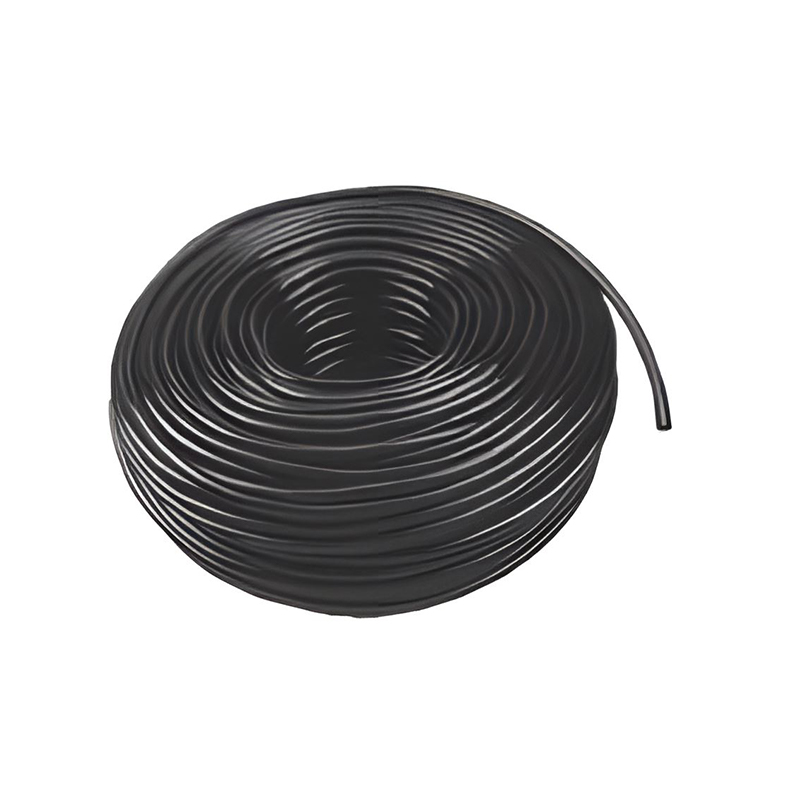

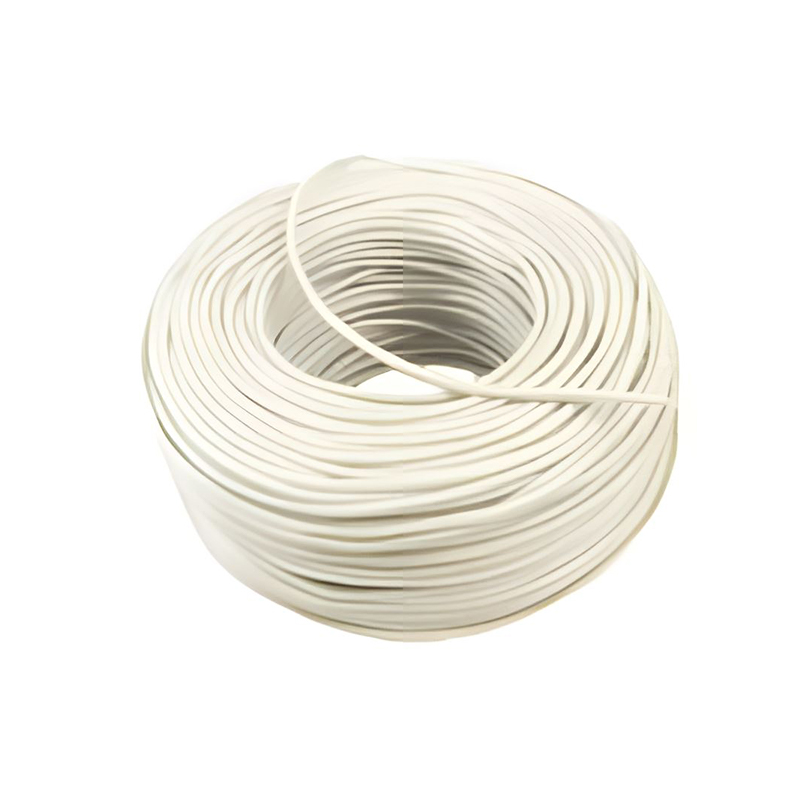
DC-P01
| Sukat | Ø3xØ5mm |
| Ø4xØ7mm | |
| Ø9xØ12mm |
Makipag-ugnayan sa Amin
DC-P02
| Sukat | Ø3xØ5mm |
| Ø4xØ7mm |
Makipag-ugnayan sa Amin
Tungkol sa Amin
Ningbo Dewo Irrigation Equipment Co., Ltd.
Ningbo Dewo Irrigation Equipment Co., Ltd. is China PVC PIPE Manufacturers and PVC PIPE Factory, in Yuyao City, Ningbo, Zhejiang Province. It is adjacent to the two major ports of Ningbo and Shanghai and has very convenient transportation.
Sa 20 taon ng propesyonal na karanasan sa pagmamanupaktura, ito ay isang pormal na tagagawa na nagsasama ng disenyo ng produkto, R&D, produksyon, at mga benta. Dalubhasa ito sa paggawa at pagbebenta ng iba't ibang produkto ng patubig na nakakatipid sa tubig.
Sinasaklaw ng Dewo Irrigation ang isang lugar na 15,000 square meters. Mayroon itong buong hanay ng mga kagamitan tulad ng paggawa ng injection mold, pagpupulong, at pagsubok upang matiyak ang kalidad at oras ng paghahatid ng mga order ng customer.
Patuloy at epektibong pinapatakbo ang sistema ng pamamahala ng kalidad ng ISO9001, na nagbibigay ng mga kinakailangang kondisyon para matugunan ang mga pangangailangan ng customer.
Ang aming kumpanya ay palaging kinuha ang "pagtitipid ng tubig" bilang konsepto nito at "integridad muna, kalidad muna" bilang konsepto nito. Inaasahan namin ang taos-pusong kooperasyon, pangmatagalang kooperasyon, at win-win development kasama ang mga kaibigan mula sa lahat ng antas ng pamumuhay sa loob at labas ng bansa.
Ang birtud ay nasa lahat ng dako, at ang matabang bukirin ay libu-libong milya ang layo! Batay sa birtud, tayo ay magtutulungan para sa matabang bukirin!
Balita
-
Ang pagdidisenyo ng isang sprinkler system ay isang praktikal na trabaho, hindi isang laro ng paghula. A...
READ MORE -
Drip Irrigation Paano: Ang Bottom Line Up Front Gumagana ang isang drip irrigation system kapag pi...
READ MORE -
Ang Maikling Sagot: Paano Mag-install ng Drip Irrigation System Ang pangunahing paraan ng pag-inst...
READ MORE -
Karamihan sa mga drip irrigation system ay dapat tumakbo ng 1 hanggang 4 na oras bawat ikot ng pagtu...
READ MORE -
Ang pag-set up ng isang drip irrigation system para sa iyong hardin ay isang tapat na proyekto. Hindi mo...
READ MORE
Mga kaugnay na produkto
-
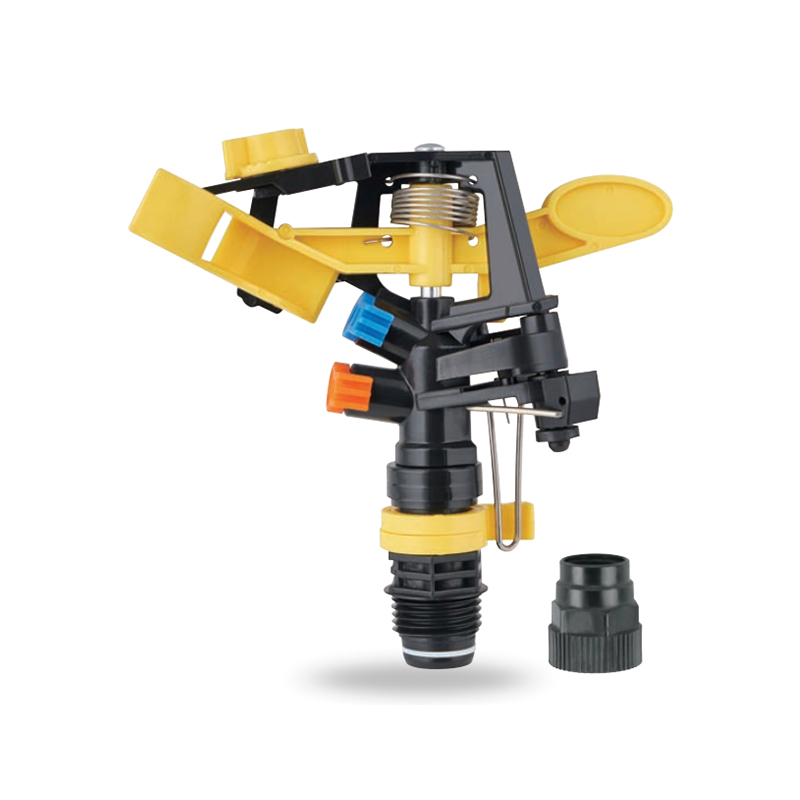
Ang impact sprinkler para sa pang-agrikulturang patubig ay isang pangkaraniwan at mahusay na kagamitan sa patubig na pang-agrikultura na idinisenyo para sa malalaking lugar ng lupang sakahan. Ang n...
See Details -
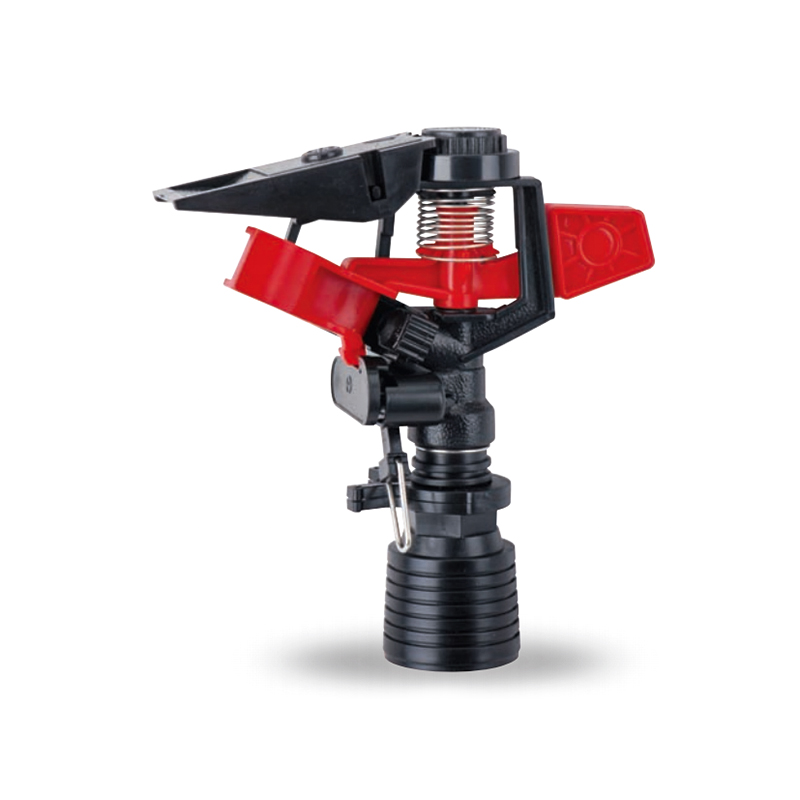
Ang 360 degree adjustable rocker arm nozzle impact sprinkler na ito ay isang mahalagang bahagi ng isang sistema ng irigasyon na idinisenyo upang matugunan ang isang malawak na hanay ng mga panganga...
See Details -
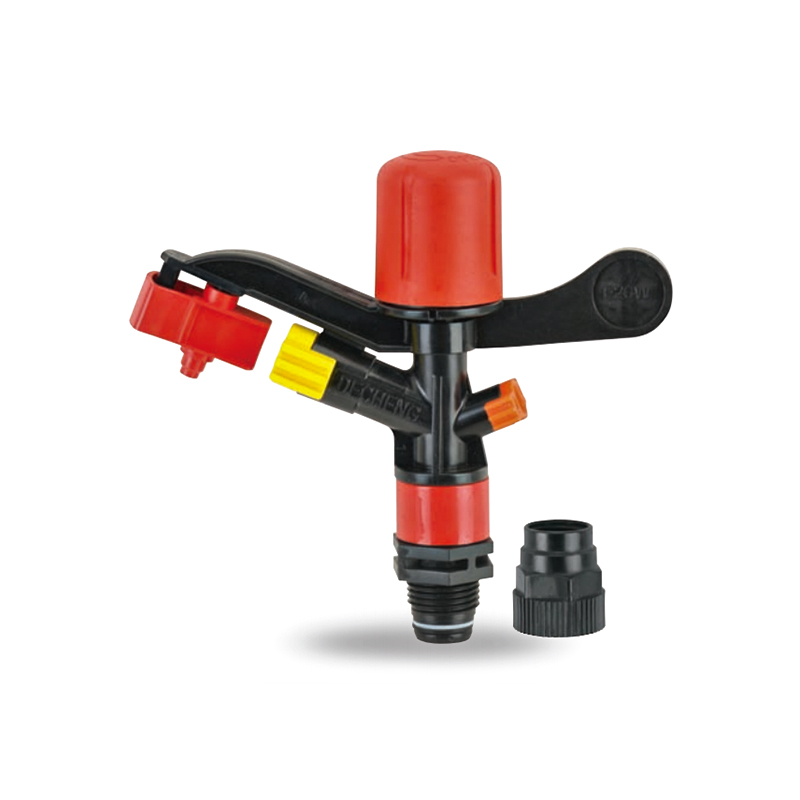
Ang Plastic Full-Circle Impact Sprinkler Sprayer ay isang napakahusay na full-circle irrigation device na idinisenyo upang magbigay ng kahit na moisture coverage. Ang magaan na plastic na materyal ...
See Details -
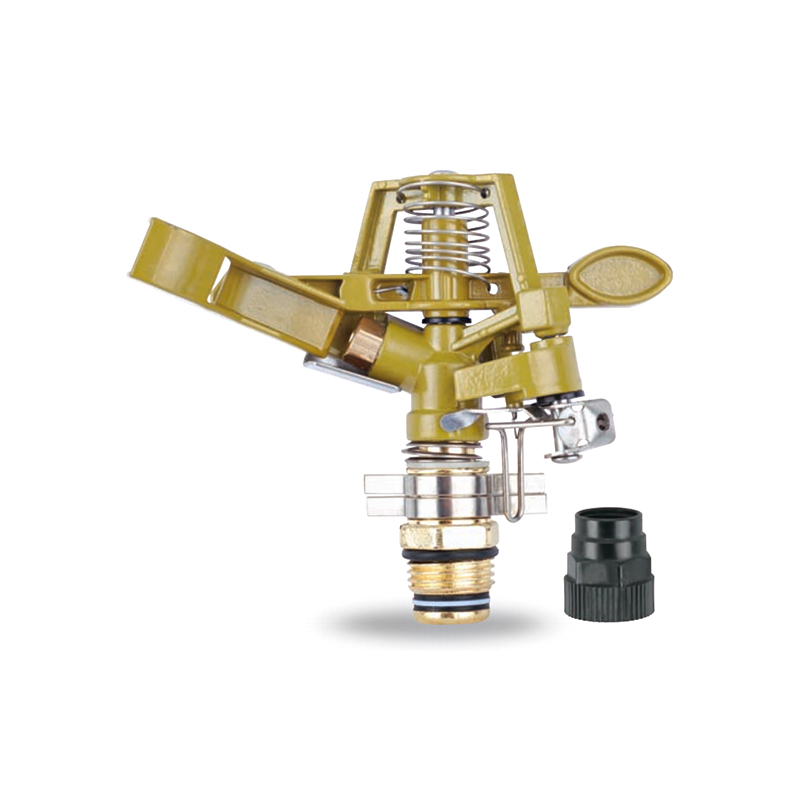
Ang Irrigation System Adjustable Head Mobile Rotary Zinc Sprinkler ay isang mahusay na rotary sprinkler na idinisenyo para sa flexible na mga pangangailangan sa patubig. Ang adjustable na ulo nito ...
See Details -
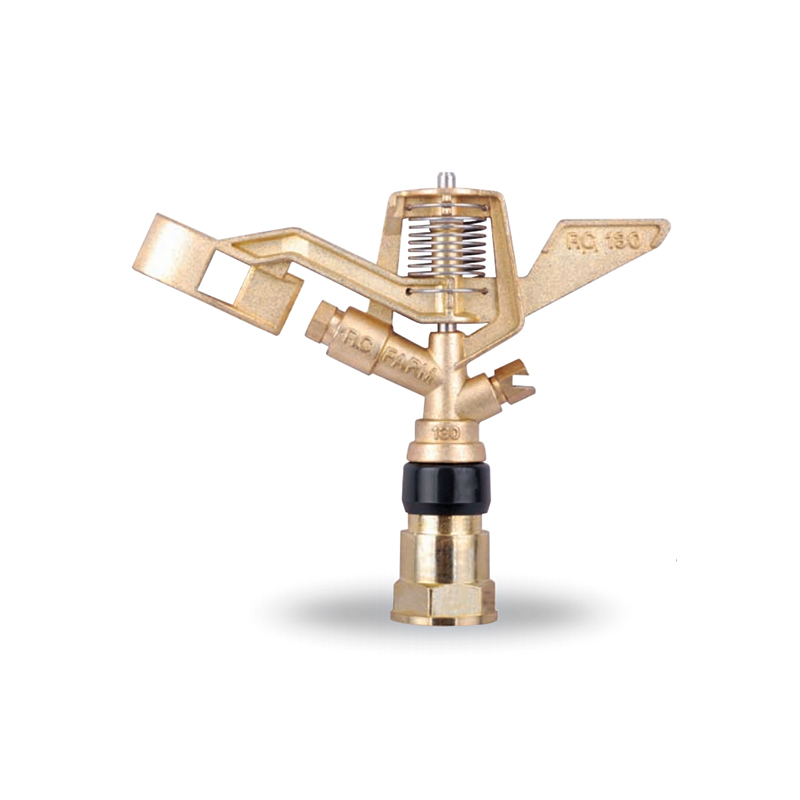
Ang 3/4" Zinc Alloy Swivel Arm Irrigation Watering System Impact Sprinkler na ito ay mainam para sa mga sistema ng irigasyon sa agrikultura dahil sa napakahusay nitong tibay at paglaban sa kaagnasa...
See Details -
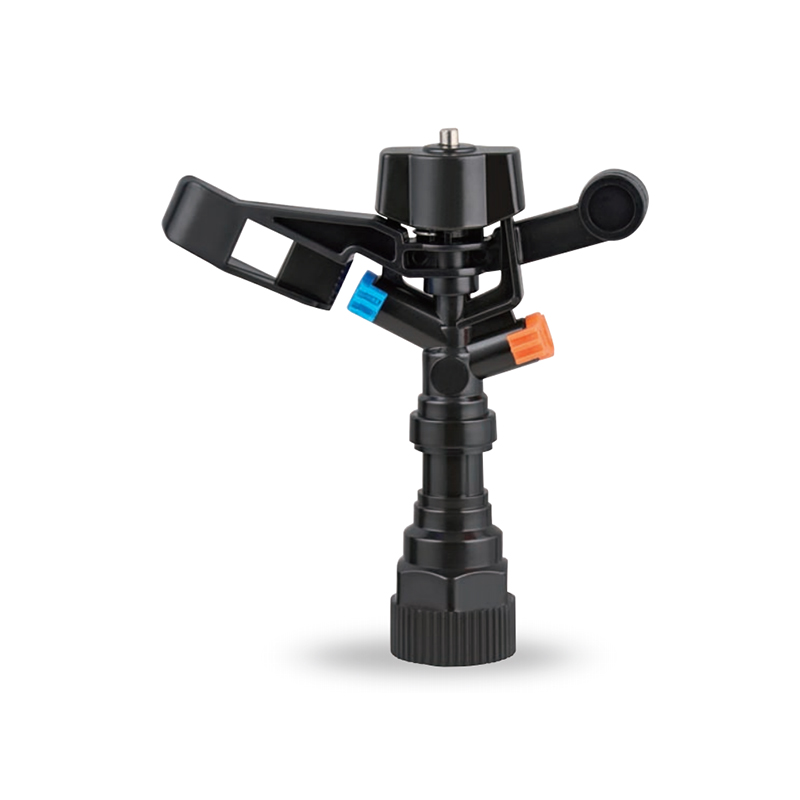
Ang Double nozzle garden farm impact full-circle sprinkler ay mahusay na idinisenyo upang mahusay at pantay na mag-spray ng tubig, kaya pinahusay ang kalidad ng paglago ng pananim. Nasa home garden...
See Details
Feedback ng Mensahe
PVC PIPE Industry knowledge
How to Prevent UV Degradation of PVC Pipe in Long-Term Outdoor Installations?
In the sun-scorched fields and arid landscapes where irrigation systems are most needed, PVC pipes face a relentless adversary: ultraviolet (UV) radiation. Over time, UV exposure can weaken pipes, causing brittleness, discoloration, and eventual failure—threatening water efficiency and farm productivity.
The Science of UV Degradation in PVC Pipes
PVC (polyvinyl chloride) pipes are prized for their corrosion resistance and lightweight design, but their polymer chains break down under prolonged UV exposure. This photochemical reaction leads to:
Loss of Flexibility: Pipes become brittle, increasing fracture risks during temperature shifts or soil movement.
Reduced Pressure Tolerance: Weakened walls may burst under standard irrigation pressures (4–6 bar).
Color Fading: Surface chalkiness indicates material breakdown, often preceding structural failure.
1. Protective Outer Coatings
For extreme environments, pipes are coated with:
Acrylic UV Blockers: A thin, reflective layer that deflects 95% of UV rays.
Carbon Black Pigmentation: This cost-effective additive absorbs UV radiation, though it limits pipe visibility for leak detection.
2. Strategic Installation Practices
Buried Placement: Bury pipes at least 30 cm below ground to shield them from direct sunlight.
Shading Structures: Use mulch, shade cloths, or companion crops to reduce solar exposure.
Orientation: Align pipes north-south in open fields to minimize prolonged direct UV contact.
Maintenance Tips for Longevity
Annual Inspections: Check for surface chalkiness or microcracks, especially at joints.
Post-Harvest Flushing: Remove sediment to prevent abrasion accelerating UV damage.
Patch Repairs: Use UV-resistant PVC tape or epoxy to seal minor cracks before they propagate.
UV degradation is inevitable, but its impact isn’t. By combining stabilized PVC formulations, smart installation practices, and proactive maintenance, farmers and landscapers can protect their irrigation investments against the sun’s relentless assault.

MGA PRODUKTO AT SERBISYO
MABILIS NA LINK
Mobile End
 Shaw Huang
CONTACT US
 No.518, Ruihao Road, Lizhou Street, Yuyao City, Zhejiang Province, China
 +86-13105554615 / +86-18005843886
 decheng@dcssq.com fredzhu@dcssq.com
 LISA
LISA
 Fred Zhu
Copyright © Ningbo Dewo Irrigation Equipment Co., Ltd. Lahat ng Karapatan ay Nakalaan. China PVC PIPE Manufacturers PVC PIPE Factory
